Morocco 2030 projects: an opportunity map for SMEs and subcontractors
Stadiums, railways, airports and mobility: a map of major projects toward 2030, packages accessible to SMEs and the preparation required to enter their value chains.
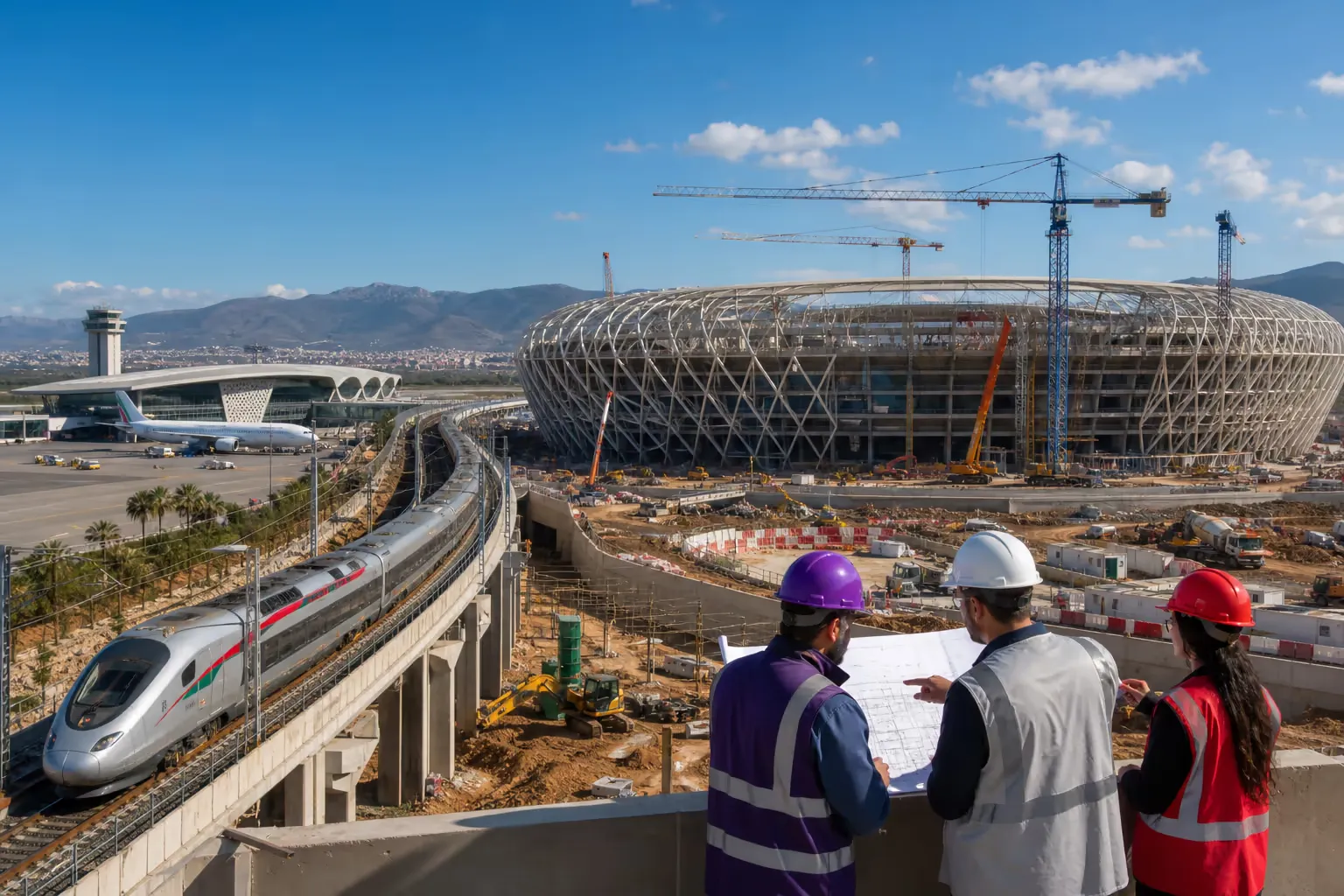
The 2030 horizon is not one contract. It combines programs led by different authorities, with different financing, procedures, timetables and maturity. An SME’s objective is therefore not to “win the 2030 project” but to identify the right package, at the right level of the value chain, at the right time.
Short answer: opportunities range from primary works to technical packages, digital systems, supplies, control, assistance, logistics and operations. SMEs improve their chances when qualifications, partners, guarantees and capacity plans are ready before publication.
Confirmed investment drivers
The 2030 World Cup
The FIFA Congress officially appointed Morocco, Portugal and Spain as 2030 World Cup hosts in December 2024, with three centenary matches in South America ( FIFA ). This secures an objective, but related works do not follow one procurement procedure.
A government–CDG/FRMF convention had already covered upgrades to six stadiums in Tangier, Casablanca, Rabat, Agadir, Marrakech and Fez, plus a new stadium in Benslimane ( FRMF ).
Rail program
In April 2026, ONCF described a MAD 96 billion program: MAD 53 billion for Kénitra–Marrakech high-speed infrastructure and equipment, MAD 29 billion for 168 trains and MAD 14 billion for network maintenance and modernization. ONCF also reported nearly 150 direct companies, almost two-thirds Moroccan ( ONCF ).
These figures belong to the ONCF program described by the Office and should not be added to other announcements without checking scope and double counting.
Airports
ONDA’s Airports 2030 strategy, announced in February 2025, aims to modernize infrastructure and passenger experience to international standards ( ONDA release ). Projects may combine terminals, baggage, security, passenger flow, access, energy, IT and operations.
A map of packages, not only megaprojects
| Program | Visible packages | Specialist opportunities |
|---|---|---|
| Stadiums | structure, envelope, stands, external works | lighting, seats, access, turf, audiovisual, security |
| Rail | platform, structures, track, stations | signaling, telecoms, power, passenger equipment, maintenance |
| Airports | terminals, runways, roads | baggage, security, IT, signage, HVAC, energy efficiency |
| Urban mobility | roads, interchanges, park-and-ride | ticketing, passenger information, furniture, supervision |
| Operations | facilities and services | cleaning, maintenance, security, catering, digital support |
The accessible opportunity may sit two tiers below the main contract. SMEs should monitor both public notices and purchasing by major contractors, within the subcontracting rules of each contract.
Twelve trade families to monitor
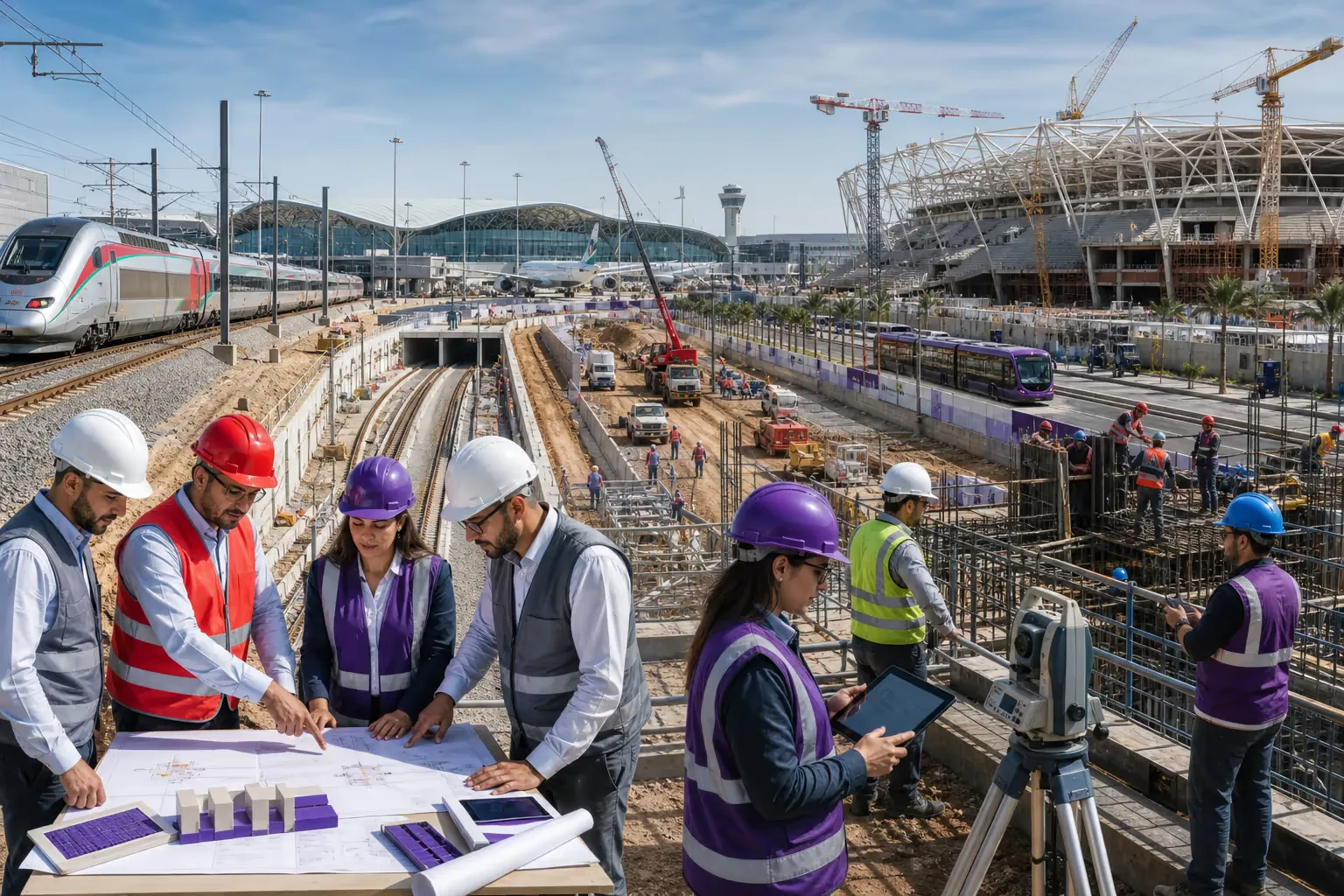
- Design and engineering: surveying, geotechnics, structures, building services, mobility and environment.
- Control and testing: laboratories, inspection, metrology and commissioning.
- Finishing works: partitions, ceilings, flooring, joinery and paint.
- Technical packages: power, backup, HVAC, plumbing and fire safety.
- Energy and sustainability: solar, efficiency, metering, water and waste.
- Telecoms and networks: fiber, radio, cabling, coverage and supervision.
- Security: video, access control, detection and flow management.
- User experience: signage, passenger information, ticketing and accessibility.
- Audiovisual: displays, sound, production, broadcast and control rooms.
- Site logistics: lifting, transport, temporary facilities, consumables and rental.
- Digital services: BIM, document management, planning, cybersecurity and digital twins.
- Operations: multi-technical maintenance, cleaning, landscaping and support.
This is a prospecting framework. A need becomes an opportunity only when a buyer or contractor launches an identifiable consultation.
Choose the right access route
Bid directly when the SME can meet all required references, people, equipment, guarantees and working capital. Form a consortium to combine complementary capabilities, but define leadership, pricing, responsibilities, insurance and interfaces before bidding. Become a specialist subcontractor when a precise capability strengthens a major contractor, while understanding approval, payment and risk flow-down. Some firms can also supply materials, rental, transport, PPE, testing and after-sales support deeper in the chain.
The 2030 preparation file
Classify comparable references by structure type, amount, complexity, timeframe and exact role. Simulate working capital, guarantees, advances, statements, retention and payment timing; consult our guarantee-management guide .
Prepare HSE procedures, inspection plans, technical data, material traceability, non-conformity management and training evidence. Identify rare skills, long-lead equipment and mobilization constraints. Update cost, productivity, rental and transport assumptions so sales does not win a contract operations cannot deliver.
Monitoring at three horizons
- 12–36 months: conventions, budgets, studies, land decisions, expressions of interest and procurement forecasts; choose capabilities to build.
- 3–12 months: map authorities, designers, major contractors and partners; prepare prequalification and financing.
- 0–90 days: on publication, verify visits, guarantees, references, schedule and partners; reach Go/No-Go within 48 hours.
Avoid underpricing for a prestigious reference, accepting impossible schedules, committing every guarantee facility to one project, confusing revenue with cash, ignoring package interfaces or waiting for the tender to find partners.
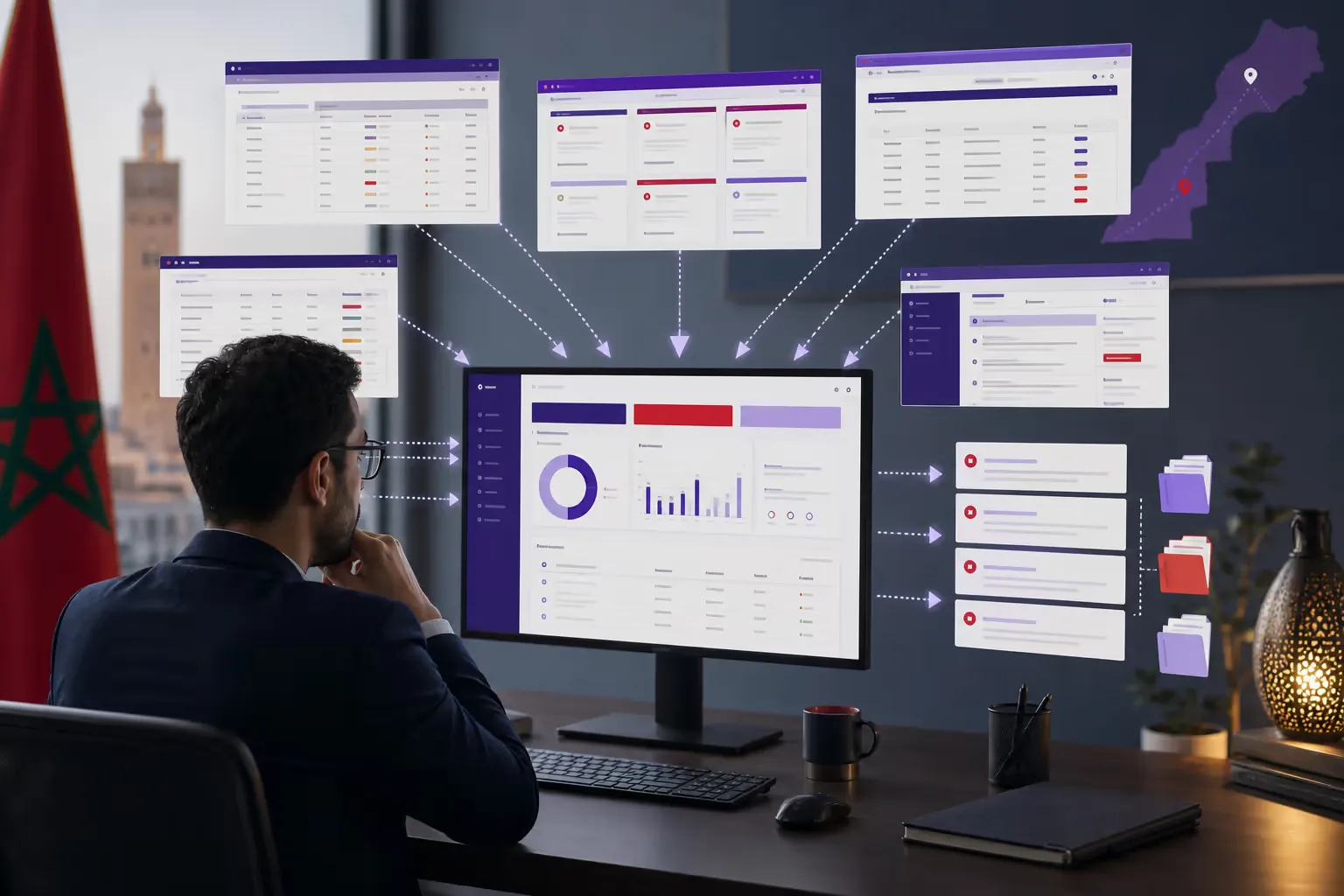
Build one map per program and one record per potential package: source, buyer, maturity, trade, qualification, partner, next action and review date. Always distinguish a signal, a confirmed consultation and an awarded contract.
Ogerant helps SMEs detect and qualify public tenders matching their trades without monitoring every source manually. Build your 2030 pipeline with Ogerant .
Official sources
Written by
The Ogerant team
The Ogerant team analyzes public procurement in Morocco and beyond. We publish practical guides, trend analyses and field lessons that help SMEs win more public tenders.
See the Ogerant platform →